Urine vs. Oral Fluid Testing – Let’s Compare
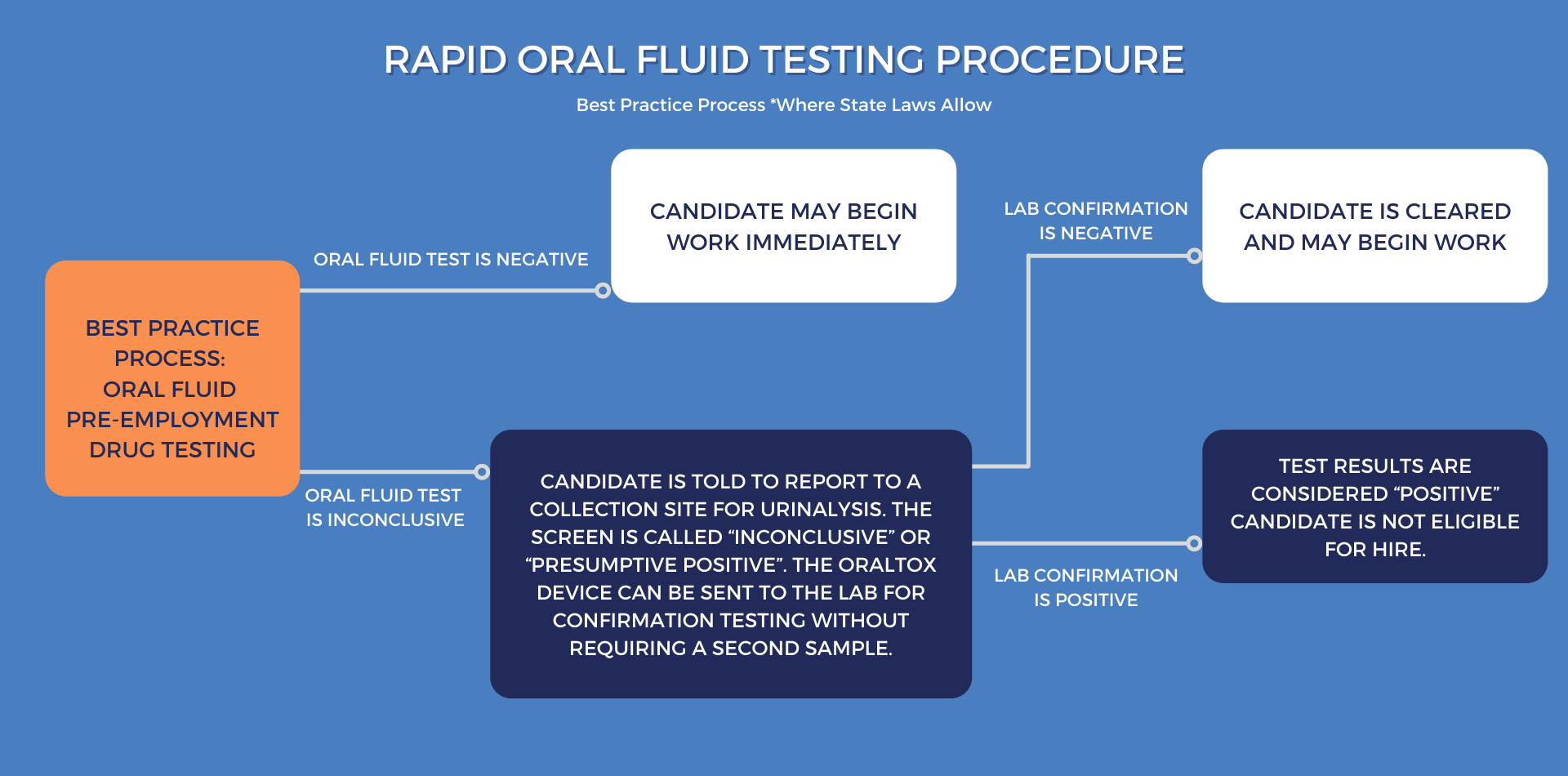
For many years lab-based urine testing was the go-to method for workplace drug testing. While this method maintains an important role in drug testing, employers throughout the country are now leveraging rapid oral fluid testing more than ever before. Technological advancements in recent years have greatly improved the reliability and accuracy of oral fluid testing, more specifically as a rapid result point of collection test (POCT). Adding oral fluid testing to your drug testing program provides many advantages and simplifies the drug testing process for employers, employees, and job applicants.
Before outlining the key differences in both methodologies, it is important to understand what screening and confirmation testing entail.
WHAT IS A SCREEN?
Screening is a preliminary test that yields a qualitative “Positive or Negative” result. Screening can be conducted with a rapid test or using laboratory instrumentation.
WHAT IS A CONFIRMATION TEST?
Confirmation testing utilizes high complexity instrumentation that yields a definite and specific result. Best practice for confirmation testing involves using either a GC/MS or LC-MS/MS. The confirmation test results provide an absolute and definite result that indicates the specific drug/compound present in the urine or oral fluid sample. Premier Biotech utilizes all LC-MS/MS instrumentation for confirmation testing, which is considered to be the platinum standard. Confirmation testing should always be performed on a presumptive positive screen, whether a rapid or lab screen.
Did You Know?
Both rapid tests and lab screens use the same testing technology – immunoassay technology.
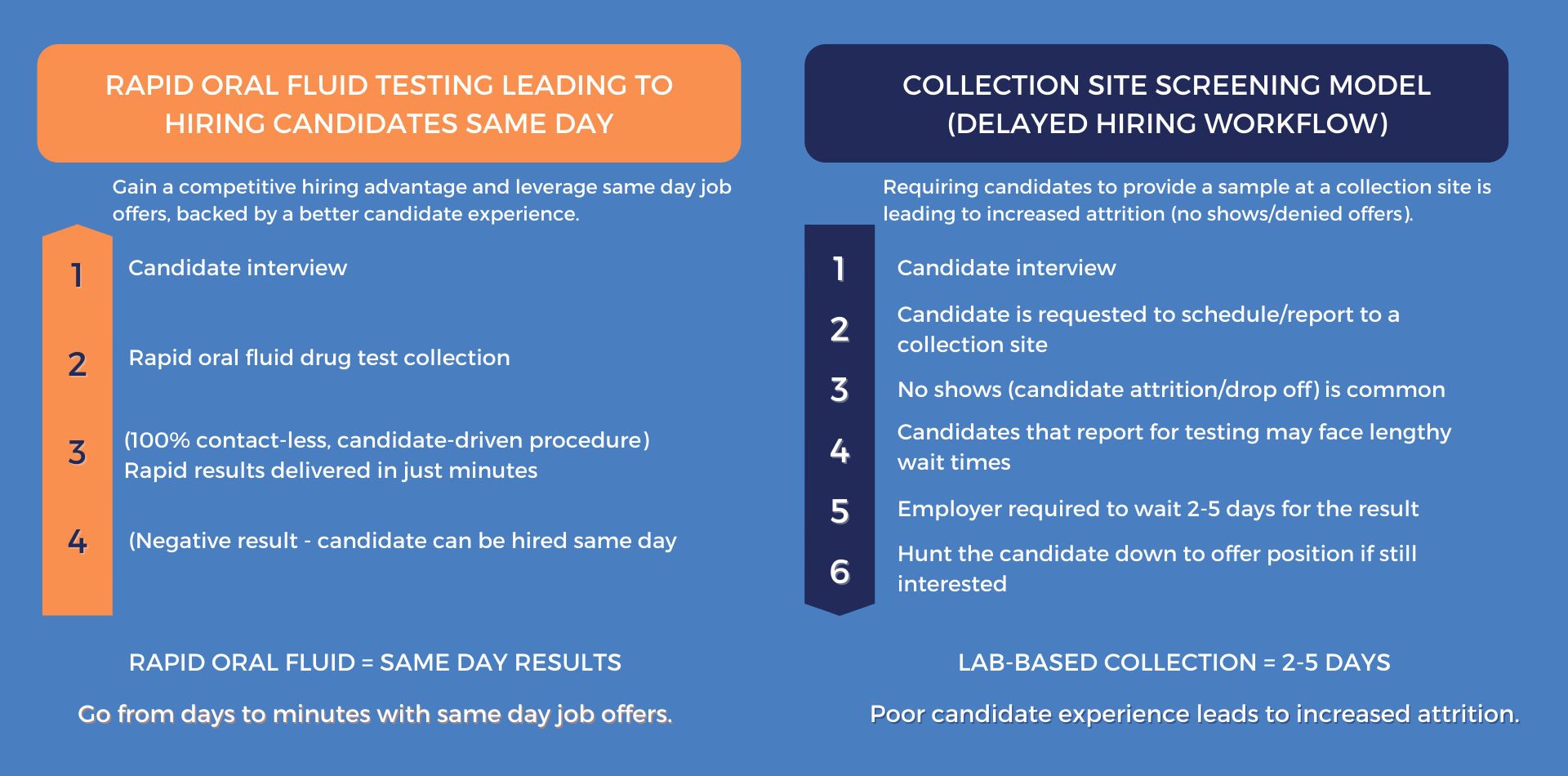
RAPID TESTING LEADS TO RAPID HIRING
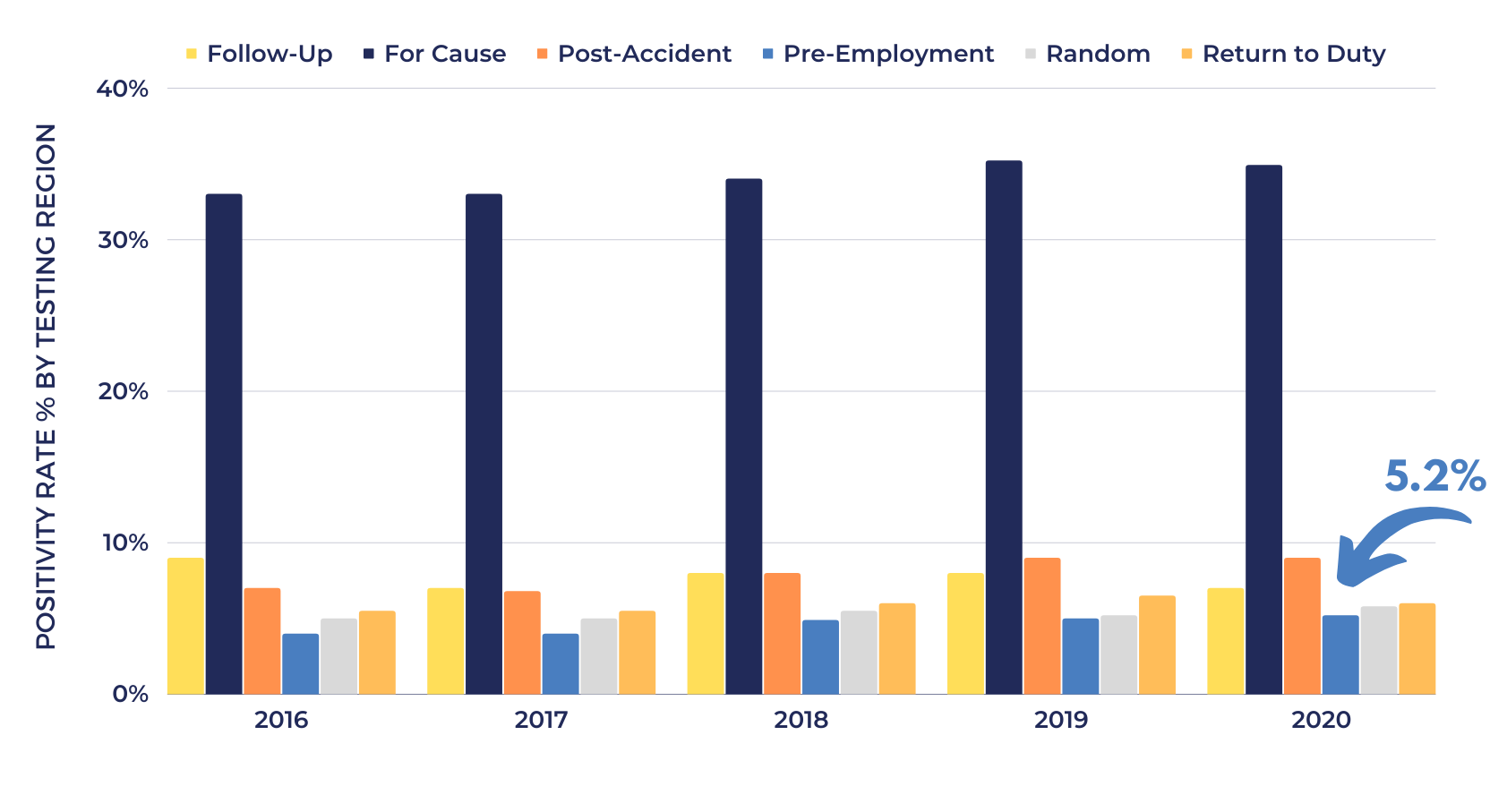
According to the 2021 Quest Diagnostic’s annual Drug Testing Index, positivity rates in 2020 by testing region supports a key benefit of rapid testing, with 94.8% of 5 million pre-employment screens resulted in a negative result and thus the ability to hire candidates the same day.
COMPARING PERFORMANCE
Nearly Identical Confirmed Results The rapid oral fluid and lab-based screening accuracy are nearly identical (98% or better). Accuracy defines the number of correct results when comparing the high-sensitivity confirmation method (GC/MS or LC-MS/MS) with that of the POCT drug screen.
COMPARING ADULTERATION
Urine Testing
“¢ Highly susceptible to adulteration
“¢ Simple Google search results in thousands of products that can be used to pass a test (Substitution, dilution, additives, etc.)
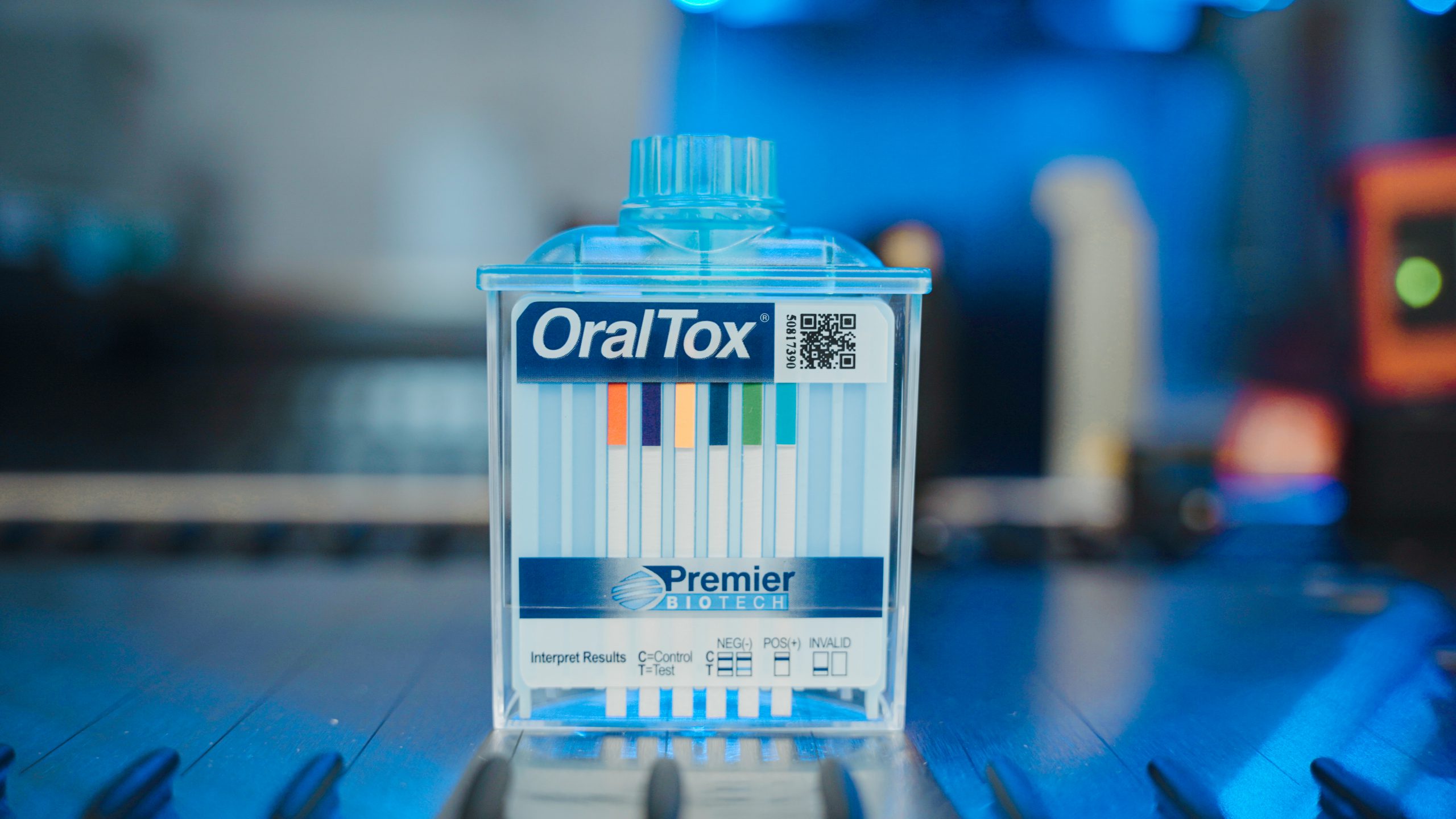
OralTox (Rapid Oral Fluid)
“¢ Resistant to adulteration/cheating the test (Substitution, dilution, additives, etc.)
“¢ 100% observed collection
SUBSTITUTION Substituting one person’s urine with someone (or something) else’s. Thousands of products online, including Fake urine, etc.
DILUTION Consuming a large amount of liquid (water, juice, etc.) leading up to the test diluting the drug concentration.
ADDITIVES Adding something to the urine to interfere with the test results (tablets, various products/solutions, bleach, etc.)
Stop candidates from cheating their drug tests with rapid oral fluid testing. Unlike urine testing, one of the most significant advantages of oral fluid testing is its resistance to adulteration/ cheating.
Did You Know?
Even though THC has a more limited window of detection in oral fluid, overall drug positivity rates tend to be equal or higher as it is resistant to adulteration (candidates cannot beat/cheat the test.)
COMPARING WINDOWS OF DETECTION
Urine Testing: Urine-based testing has a longer detection window, for most drugs, from 24-72 hours, whereas oral fluid testing is 24-36 hours for water-soluble drugs. The biggest difference is in the detection window of THC. Since THC is fat-soluble rather than water-soluble, it does not cross directly into oral fluid. Therefore, THC is detected as residual smoke or parent compound in saliva, not as a metabolite. As a result, THC can only be detected for up to 24 hours in oral fluid testing.
Rapid Oral Fluid: Oral fluid testing has the unique ability to detect the presence of drugs within minutes of an individual using an illicit substance. When considering the window of detection for marijuana, the test result will show only what that individual has used in a more relevant period. This feature of rapid-result oral fluid testing is especially useful when it is necessary to take immediate action.