
Testing Is Not Always Apples To Apples
Urine And Oral Fluid Drug Testing Side By Side
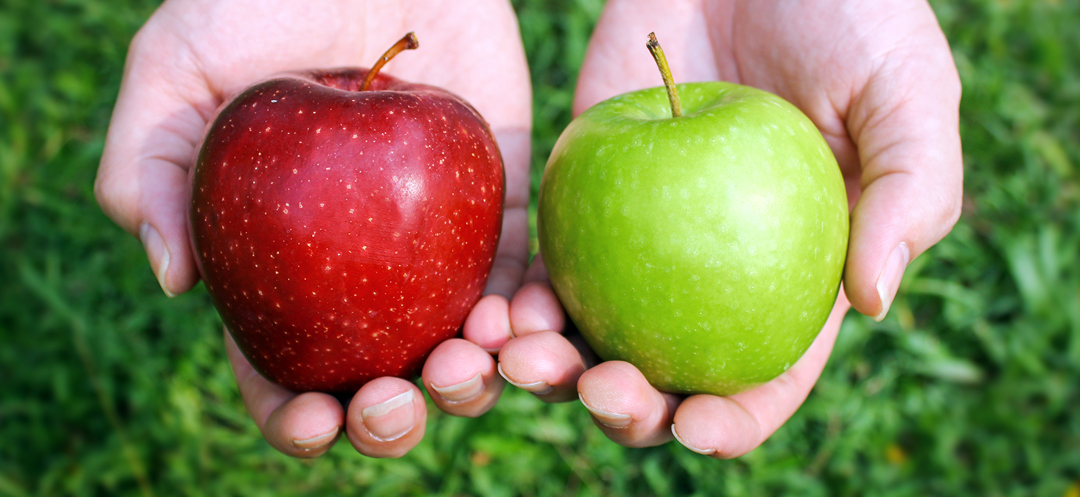
Questions about the similarities and differences between rapid urine and oral fluid drug testing have become common. Prior to answering these questions, it is important to take into account that when comparing these methods side-by-side, it is not always an apples to apples comparison.
While urine remains the most accepted means of testing, were the advantages and disadvantages of urine drug testing are generally understood, there have been significant advancements over the past several years in the testing technology, science and methodology of oral fluid. Due to these advancements, many organizations are starting to leverage oral fluid as part of their drug testing capabilities. When defining use cases for either method, the following information should be considered.
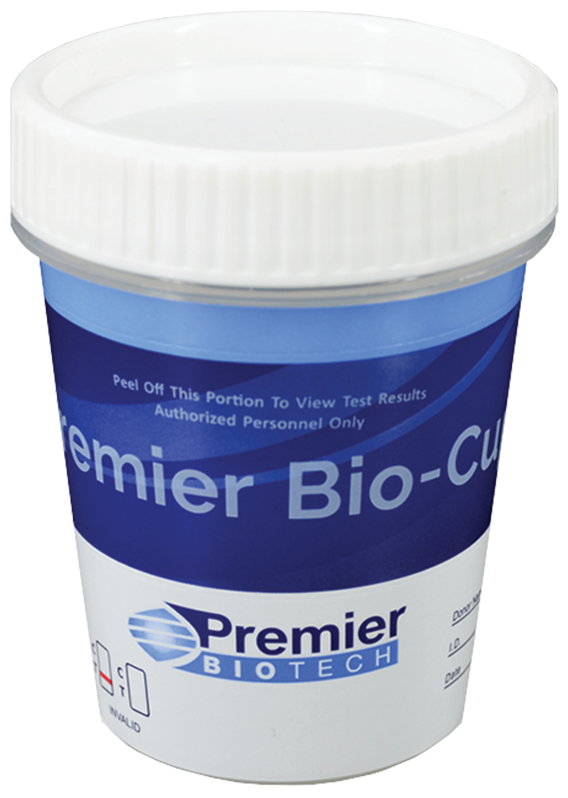
Rapid Urine Testing
The most commonly utilized method of testing, urine testing has a longer window of detection for most drugs from 24-72 hours, whereas oral fluid testing is 24-36 hours for water-soluble drugs. This may vary based on the type of drug, frequency of use, and other factors.
Perhaps the most discussed difference between urine and oral fluid testing is the detection window of THC. Since THC is fat-soluble, rather than water-soluble, it does not cross directly into oral fluid. Therefore, THC is detected as residual smoke or as a parent compound in saliva, not as a metabolite. As a result, THC can only be detected for up to 24 hours in oral fluid.
Rapid Oral Fluid Testing
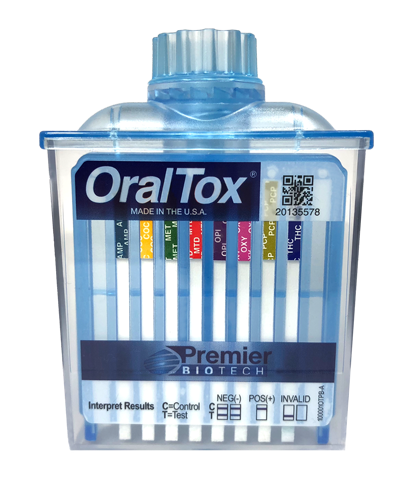
Oral fluid testing has the ability to detect recent drug use, whereas urine requires the drug to metabolize after being consumed which can take up to 6-12 hours depending on the drug and the individuals metabolism. This makes oral fluid testing an ideal solution for reasonable suspicion, post-accident and other instances where detection of recent use is paramount.
A primary differentiation and benefit oral fluid offers compared to urine based testing relates to the collection process. Oral fluid collection is 100% observed, eliminating the need for private restrooms as the testing can be conducted anywhere. Observed collections also removes the risk of adulteration, substitution, dilution and additives, all common tactics used to cheat a urine test.
Comparisons At A Glance
Criteria
Urine
Oral Fluid
Use Cases
- Qualitative screen provides a preliminary result
- Remains the most accepted means of drug testing with the largest testing menu
- Has the ability to test for illicit and medications
- Qualitative screen provides a preliminary result
- Ideal for detecting recent drug use
- Popular with programs that require convenient, gender-neutral specimen collection
- Very recent drug use may not be detected (6-12 hours for drug to metabolize)
- Longer window of detection than oral fluid once the drug has metabolized,
including THC
- Can detect current/very recent use with oral fluid levels mirroring blood (serum) offering a better indication of current impairment
- Shorter window of detection compared to urine, including THC
-
Controlled collection site/private restroom required
-
“Shy bladder” concerns (difficulty urinating)
-
Required facilities may be logistically difficult to procure
-
May require gender-specific staff to observe collection (depending on policy or regulation)
-
Increased “ick” factor for the collector
-
Easy, non-invasive 100% observed collection can be conducted anywhere
-
Removes concerns with “Shy bladder” or waiting for urine sample
-
No gender-specific staffing or private restroom requirement
-
Collection of oral fluid held within airtight device, decreasing the “ick” factor
- Possibility for adulteration, substitution, dilution or additives due to non-observed collection
- 100% observed collection eliminates adulteration concerns
- Immunoassay screen targets multiple drugs and drug metabolites in urine
- Utilizes the same technology as a laboratory screen (EIA/EMIT)
- Immunoassay screen targets multiple drugs and drug metabolites in oral fluid
- Utilizes the same technology as a laboratory screen (EIA/EMIT)
- Fast, accurate results in minutes
- Fast, accurate results in minutes
Comparisons At A Glance
Use Cases:
Urine
- Qualitative screen provides a preliminary result
- Remains the most accepted means of drug testing with the largest testing menu
- Has the ability to test for illicit and medications
Oral Fluid
- Qualitative screen provides a preliminary result
- Ideal for detecting recent drug use
- Popular with programs that require convenient, gender-neutral specimen collection
Window of Detection:
Urine
- Very recent drug use may not be detected (6-12 hours for drug to metabolize)
- Longer window of detection than oral fluid once the drug has metabolized,
including THC
Oral Fluid
- Can detect current/very recent use with oral fluid levels mirroring blood (serum) offering a better indication of current impairment
- Shorter window of detection compared to urine, including THC
Collection:
Urine
- Controlled collection site/private restroom required
- “Shy bladder” concerns (difficulty urinating)
- Required facilities may be logistically difficult to procure
- May require gender-specific staff to observe collection (depending on policy or regulation)
- Increased “ick” factor for the collector
Oral Fluid
- Easy, non-invasive 100% observed collection can be conducted anywhere
- Removes concerns with “Shy bladder” or waiting for urine sample
- No gender-specific staffing or private restroom requirement
- Collection of oral fluid held within airtight device, decreasing the “ick” factor
Sample Integrity:
Urine
- Possibility for adulteration, substitution, dilution or additives due to non-observed collection
Oral Fluid
- 100% observed collection eliminates adulteration concerns
Testing Methodology:
Urine
- Immunoassay screen targets multiple drugs and drug metabolites in urine
- Utilizes the same technology as a laboratory screen (EIA/EMIT)
Oral Fluid
- Immunoassay screen targets multiple drugs and drug metabolites in oral fluid
- Utilizes the same technology as a laboratory screen (EIA/EMIT)
Time To Results:
Urine
- Fast, accurate results in minutes
Oral Fluid
- Fast, accurate results in minutes
In Conclusion – Urine or Oral Fluid?
When answering the question as to what method would be best suited for a particular organization, our answer would not suggest one method over the other. Due to the varied benefits and limitations of both urine and oral fluid testing, best practice would suggest a combined use case increasing overall testing capabilities. To learn more about our innovative urine and oral fluid drug testing products and solutions, contact us at 888-686-9909.