
Cannabidiol (CBD)
What is CBD
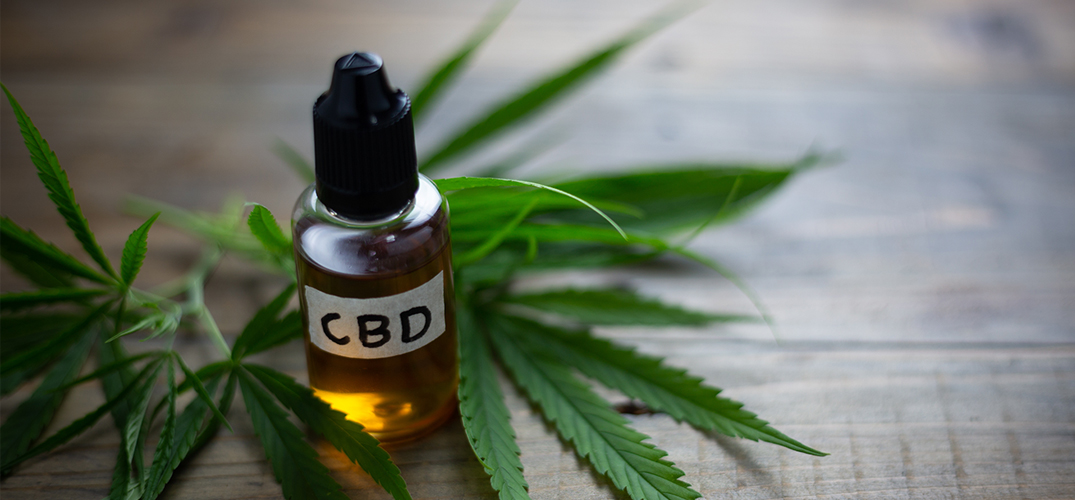
One of approximately 400 active compounds found in the cannabis sativa plant, cannabidiol (CBD) is growing rapidly in popularity. Unlike THC (Tetrahydrocannabinol) the most well-known active compound in cannabis that produces a “high”, CBD is nonpsychoactive and is marketed and used to treat various ailments including pain, anxiety, seizures, inflammation, mood disorders, etc. CBD is now widely available online and in retail stores with sales expected to exceed $5 billion in 2019, a 700% increase from 2018-and by 2023 projected sales of CBD products could reach $24 billion.[1]
How is CBD Taken?
- Oils And Tinctures: Liquids (oils) are infused with CBD and dropped under the tongue
- Salves And Lotions: Infused topicals rubbed into the skin
- Pills/Capsules: Taken orally-Epidiolex (Brand Name) first cannabis-based FDA approved medication to treat rare forms of epilepsy [4]
- Edibles: Taken orally in the form of gummies or other foods infused with cannabidiol
- Vaping: Oil is vaporized, inhaled and absorbed from the lungs into the bloodstream
Is CBD Legal
The short answer is CBD is not illegal, however determining factors and regulations apply. Cannabis and its derivatives were classified as Schedule I controlled substances for decades, primarily due to the psychoactive effects of THC. In 2018, the U.S. government (Farm Bill) legalized industrial hemp at the federal level removing cannabis and its derivatives with low levels of THC (-0.3%) from the list of controlled
substances. At the state level, the legality of CBD can vary, with one of the determining factors also being if the CBD is derived from hemp (producing a nearly non-existent amount of THC -0.3%) or marijuana (up to 30% THC).
Are CBD Products Regulated?
While Congress explicitly preserved the FDA’s authority to regulate the sale and distribution of CBD, the labeling and marketing of products containing CBD remains generally unregulated. THC levels contained within CBD products should be clearly labeled on the bottle (-0.3% up to 5% THC in some states), however labeling has been found to be unreliable, resulting in consumers filing lawsuits against CBD manufacturers for false claims. As a result, the FDA has tightened its scrutiny regarding labeling practices and has issued warning letters to manufacturers for inaccurate CBD levels found in their product and/or to address marketing claims that have not received FDA approval.
Can CBD Use Result in a Positive Drug Test?
CBD by itself would not report a preliminary positive result for marijuana or the marijuana metabolite, as cutoff levels are set high enough to eliminate positive THC results from the use of a CBD product containing trace levels of THC. For an individual to report a positive screen result for marijuana at (>50 ng/mL), they would have to be using excessive amounts of a CBD product containing significantly higher concentrations of THC. Additionally, preliminary positive results confirmed via LC/MS/MS are specific to the THC metabolite.
Federally Mandated Regulated Drug Testing
While CBD research continues, at this time there is inadequate information available to establish data-based criteria, thresholds and guidelines for federal programs. Medical Review Officers must follow the current DHHS Mandatory guidelines that specify that medical marijuana and CBD products that cause the donor to test above the cut off levels must be reported as a positive test result. Notify employees in the policy that claimed use of CBD oil is not considered a medical excuse for a positive marijuana test.
Non-Regulated Drug Testing
Acceptable levels and use of CBD varies from state to state. In 2018, the American Association of Medical Review Officers (AAMRO) issued an MRO Advisory [5] stating the following: In a private employer drug testing environment, an MRO positive and a donor’s claim of using CBD oil, the MRO should consult with the employer. CBD oil is still a Schedule I controlled compound, but state law and the employer should be considered.
Conclusion
- Employers should become aware of the regulations regarding CBD products in their state.
- Continue to mirror the two-step testing process of screening for negatives and confirming preliminary positive results for specific metabolites to identify usage.
- Update Job Descriptions to include safety sensitive positions and the ability to work in a constant state of alertness and safe manner as an essential job function.
- Update Drug Free Workplace Policies to comply with state laws and establish criteria to minimize safety risks.
- Notify employees in the policy that claimed use of CBD products is not considered a medical excuse for a positive marijuana test.
Sources:
[1] https://www.cnn.com/2019/07/09/business/cbd-sales-fda/index.html
[2] https://www.pbwt.com/misbranded/cbd-the-next-cure-all-and-the-next-frontier-for-false-advertising-litigation/
[3] https://crsreports.congress.gov/product/pdf/R/R45525
[4] https://www.fda.gov/news-events/press-announcements/fda-approves-first-drug-comprised-active-ingredient-derived-marijuana-treat-rare-severe-forms
[5] https://admin.aamro.com/docs/news/57.pdf